
ICE as a Symptom: An Anomaly's Perspective on Our Broken Democracy
In the past days, I have seen folks from both my non-profit and floral worlds share their thoughts on the ICE situation. As some of you know, I rarely weigh in on political debates. It has been a struggle for me to decide to write this, but I feel compelled to share my thoughts.
As a food systems leader, I know that food security is a hollow term if the people growing our food live in fear. As a wedding florist, I see how that same fear ripples into the floral industry, turning a season of celebration into one of uncertainty.
My early education was in Criminal Justice (AS) and Political Science (BA), and I spent years studying the systems meant to govern our society and “the rules of the game”. My original, idealistic goal in my youth was to change the world through politics. However, I quickly became disheartened by a democratic process that felt broken and a two-party system that seemed more interested in its own survival than in effective governance. I walked away from that path because I became deeply disillusioned by the partisan gridlock and the ineffectiveness of the two-party system, which is more like a performance than actual democracy. At this point, there is no label for my politics. I am not a conservative, and I am not a liberal. I have equal disdain for the politics of both parties.
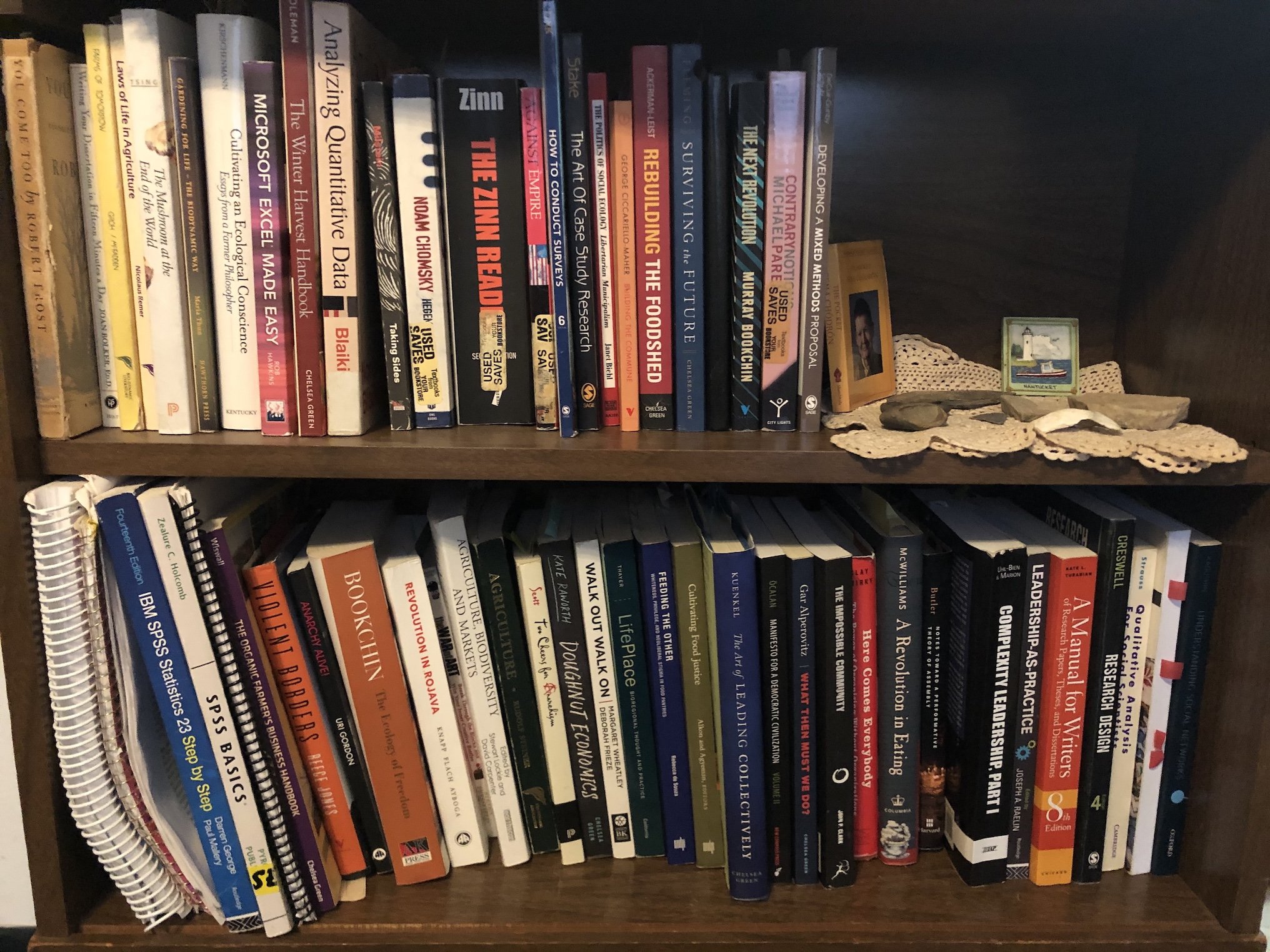
Educationally, I’m a bit of an anomaly. Rather than staying skeptical, I got to work elsewhere. Upon abandoning political science, I went on to earn master’s degrees in management and sustainable agriculture, followed by a PhD, shifting my focus from change within a broken system built on political maneuvering to building sustainable, well-managed systems that offer real, democratic solutions to modern challenges. The fields (often quite literally) I have worked in since are ones where real-world results and systems-based solutions are the only things that matter. I’ve stayed quiet in my opinions because I prefer building what works over arguing about what's broken. However, we are currently in a period of such extreme crisis that staying silent no longer feels like an option. From a leadership and systems perspective, here is what I believe the general public is missing.
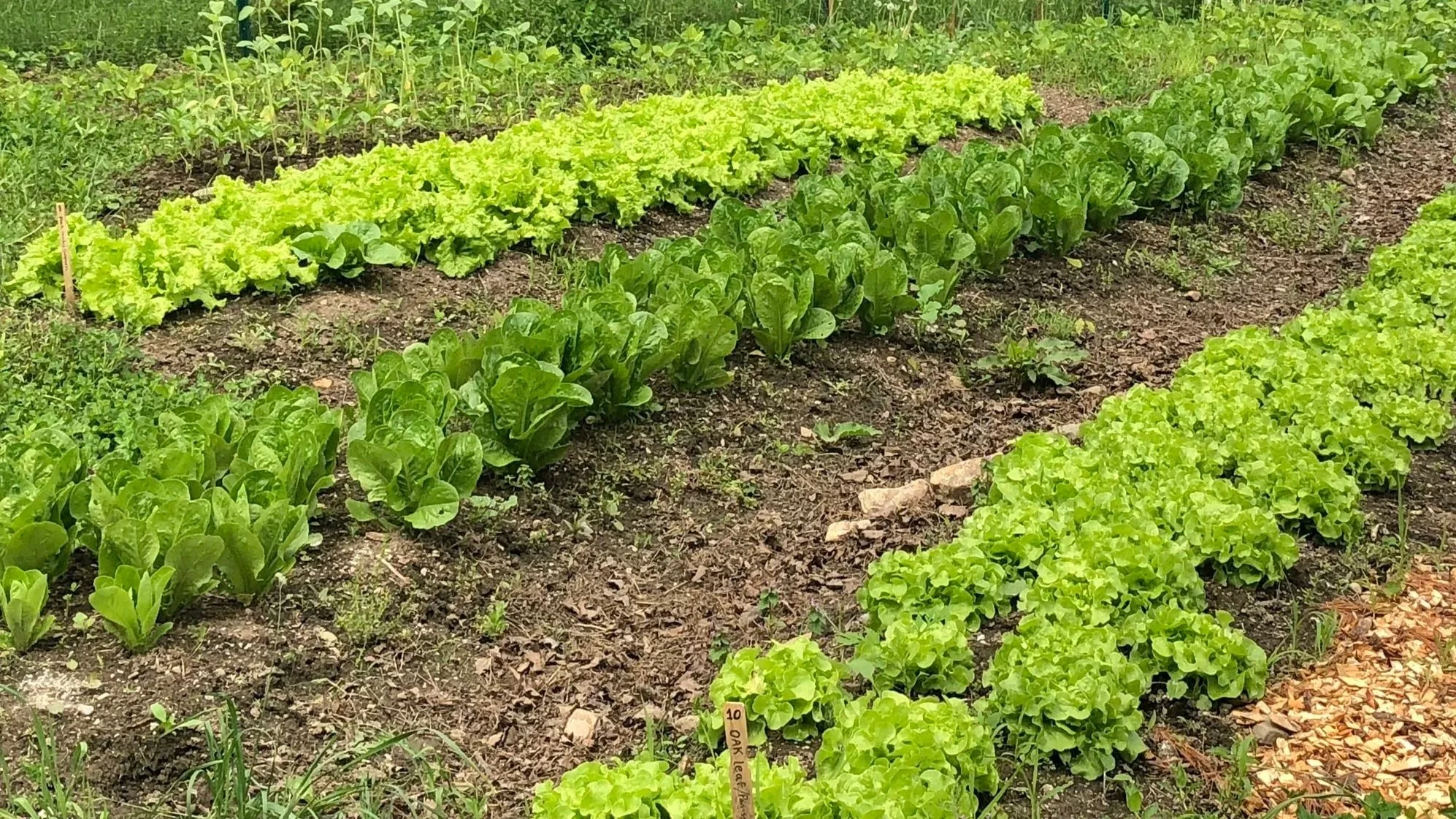
I acknowledge my perspective is unique, having transitioned from the partisan meat-grinder in disgust to an educated perspective seated in humanism, social ecology, and libertarian municipalism. To begin with, there is no question that ICE is fundamentally incompatible with a free society. If right now you’re thinking duh, yes, many other humans also see this as obvious! Yes, but that is primarily because of the violence and rights violations. That is not wrong; however, my perspective goes deeper and comes from a philosophy that goes beyond the violence and erosion of rights. The root of this issue, this war on immigrants, is a clear manifestation of "statecraft" gone bad—a top-down, centralized management that strips communities of their autonomy. The nation-state’s obsession with borders is a "Janus-faced" barbarity that replaces the local control, face-to-face management of a community with a out of touch federal, bloated, paramilitary bureaucracy. It will not stop at this issue…our current situation is just a symptom of a much larger problem. For anyone like me with knowledge in global politics, history, and political science, watching supporters cheer for this erosion of constitutional rights and human dignity is like watching the general public celebrate the poisoning of their own well—they are praising the very mechanisms of state overreach that will eventually be turned against all dissenters, regardless of their status.
The current situation is a predictable result of giving a centralized state the power to decide who "belongs". At this point, the protest goal should not be to debate border policy or "reform" ICE within a broken federal government, but to completely dismantle such centralized enforcement in favor of a more grassroots municipal governance that returns decision- making to the local level. A vision that replaces the flawed logic of border control and citizenship and that acknowledges that "authentic citizenship" is found in their engagement with neighbors and contribution to community—whether they were born across the street or across the globe—rather than in the violent "order" of a distant centralized federal branch of government.
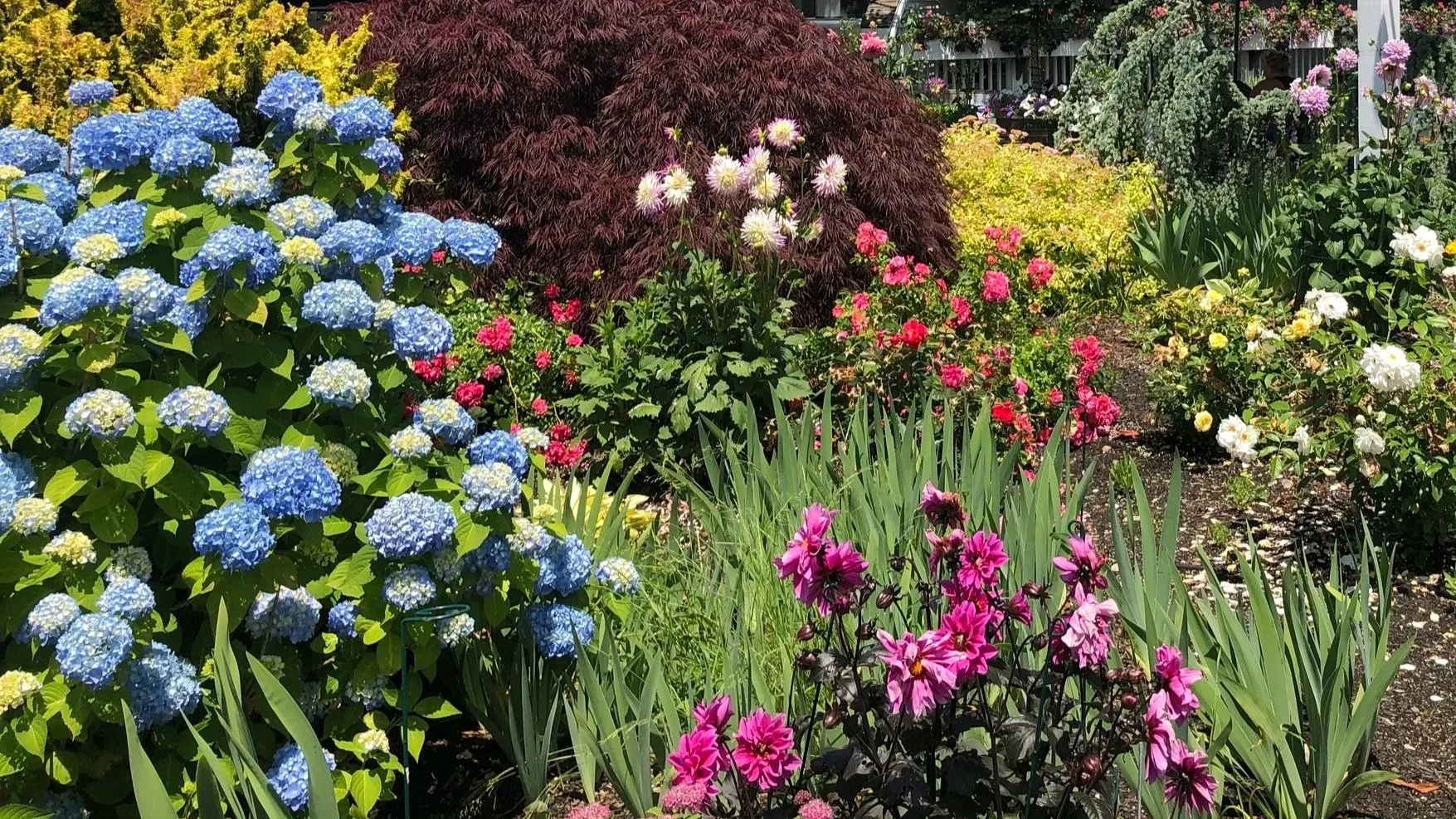
In my work with food systems and flowers, I see every day that vitality does not come from a top-down mandate; it comes from the health of the soil and the strength of the root system. Just as a resilient food web relies on the diversity and labor of its inhabitants, our governance must reflect the reality of our fields and shops: that the hands tending the harvest and arranging the blooms are the very same hands that sustain our local life. By grounding our politics in the municipal, we allow a community to truly blossom, nourished by those who choose to plant themselves here, regardless of the borders they crossed to arrive.
