
Not a "Backyard Betty": Why This CT Urban Farmer/Florist is the Real Deal in Floral Design
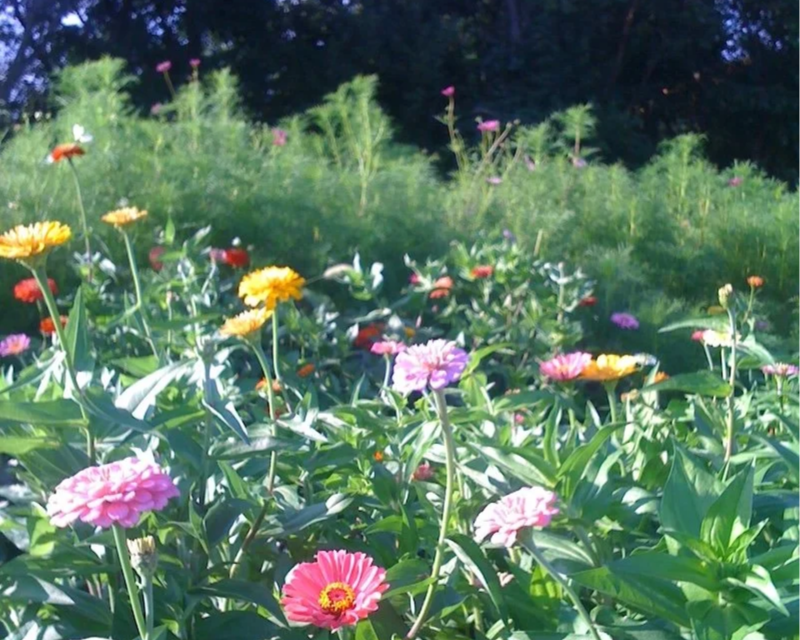
Decades in the Dirt and a PhD
The term "gardener" feels too small, too constrained by the image of someone dabbling with a few petunias on the weekend. My hands are weathered, and my nails are dirty, but those stains represent decades of serious, large-scale vegetable and floral cultivation.
Before the urban flower farm was even a thought, I spent years working on large farms, some 10 acres in production. That’s ten acres of understanding soil science, crop rotation, pest management, and the sheer physical stamina required to bring a large-scale agricultural operation to life. I learned the rhythm of the seasons on a professional level, something a casual "backyard Betty" simply hasn't experienced.
The urban flower farm and roadside flower stand are intentional choices—a focused pivot toward a community-centric model—not a novice's first foray into growing things.
The Art of Elevated Floral Design
When people hear "backyard studio," they might imagine simple mason jar arrangements, flowers "thrown" into bunches without much thought to composition, color theory, or structure.
That couldn't be further from the work I produce. My designs are not amateur. They are elevated, thoughtful, and professional.
I operate the real deal, a floral design studio specializing in bouquet subscriptions and wedding flowers. I offer sophisticated arrangements that merge flower-forward philosophies with reimagined classical styles and abundant natural elements.
I don’t just make centerpieces; I create experiences. My portfolio includes complex, structural arch designs and stunning, large-scale wedding floral installations that transform entire venues. These are designs rooted in professional training and executed with expert precision, demanding a skill set far beyond that of a casual flower picker.
The Difference is Experience and Formal Education
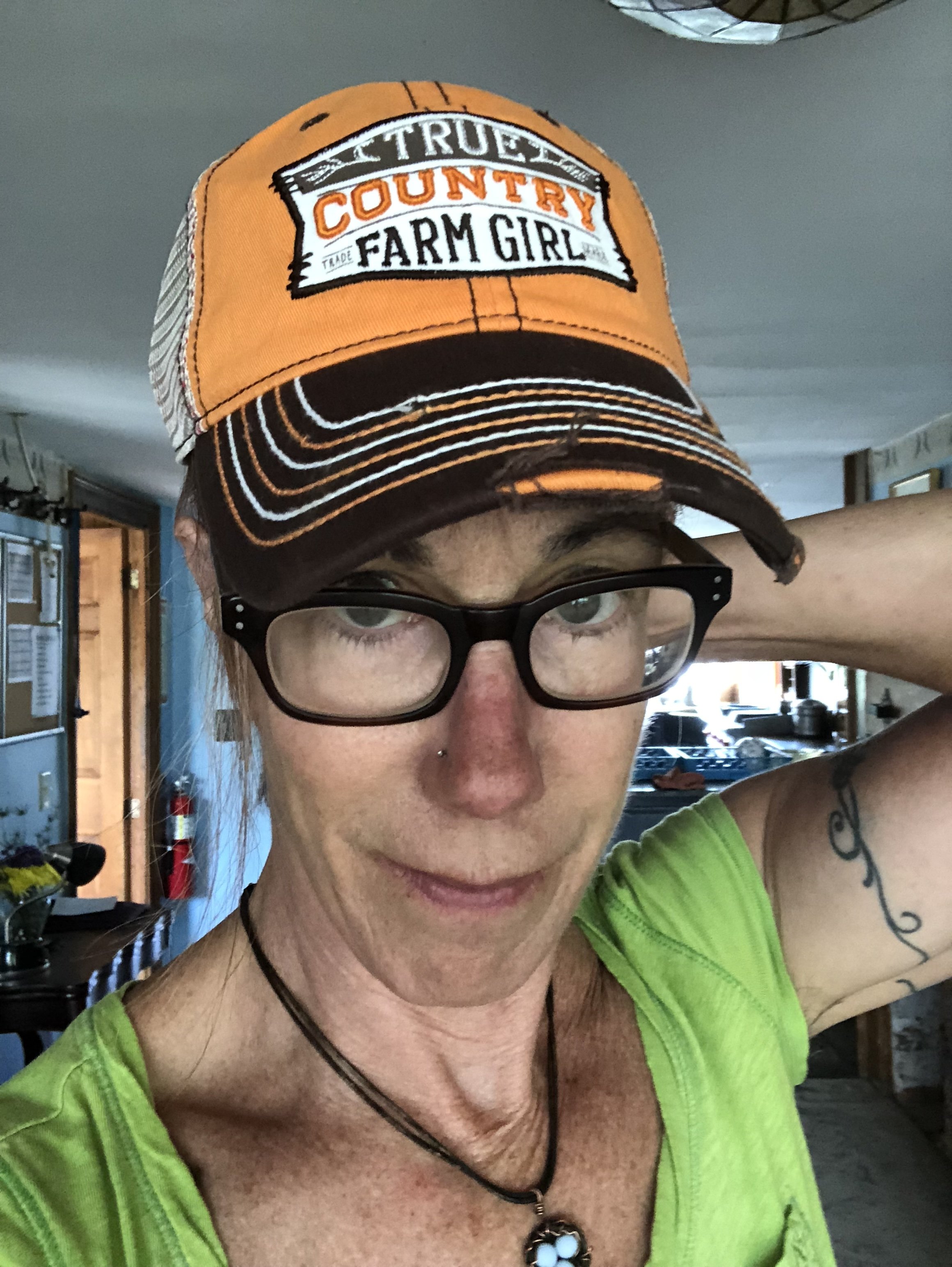
The difference between a "gardener" and a professional farmer-florist is profound. It's like the difference between cooking a casual weeknight dinner and catering a five-hundred-person wedding banquet.
My current operation in Groton, CT, may be geographically small and locally focused, but it is run with the professionalism, expertise, and design sophistication that have been forged over decades of serious agricultural experience and formal education (just call me Dr. Martinez).
So next time you stop by the stand, know that you’re not just buying a casual bunch of flowers from a "Backyard Betty. You are investing in decades of expertise and craftsmanship, and a level of floral design that is anything but amateur.
Sourcing flowers while maintaining sustainability involves a commitment to responsible purchasing practices, careful supplier selection, and a rigorous adherence to foam-free, minimal-waste design techniques. The key is to balance design needs with environmental stewardship through intentional choices at every step. I’ll talk about this more in my next blog post. Please subscribe for updates.
A few notes-
Credit to “Backyard Betty” goes to Kathleen Drennan from Little Bird Bloom. I first heard the term while listening to her podcast
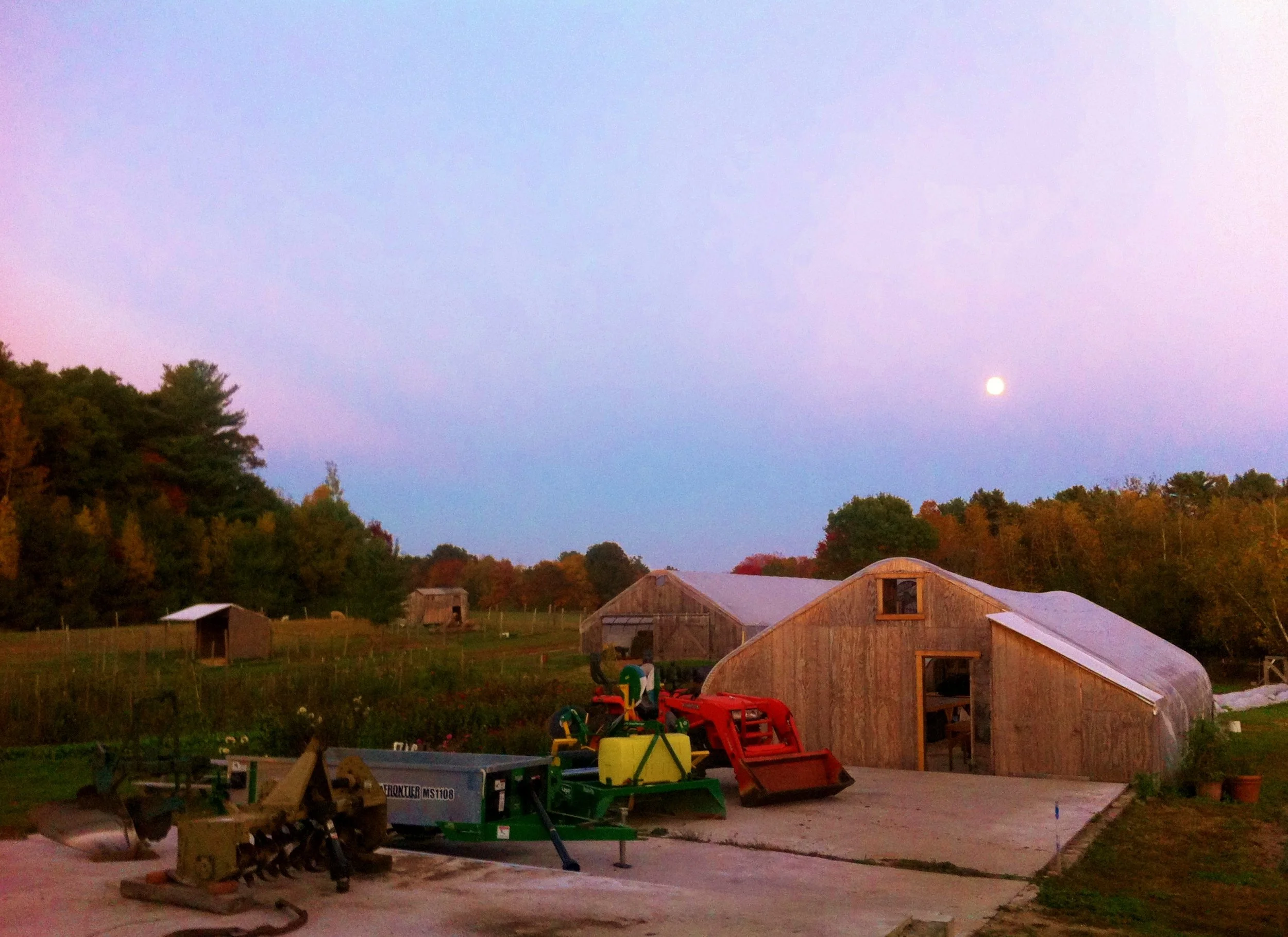
Colchester Farm 2013
