Please Don’t Start Your Marriage with Plastic: Why Faux Flowers are a Wedding Vibe-Killer
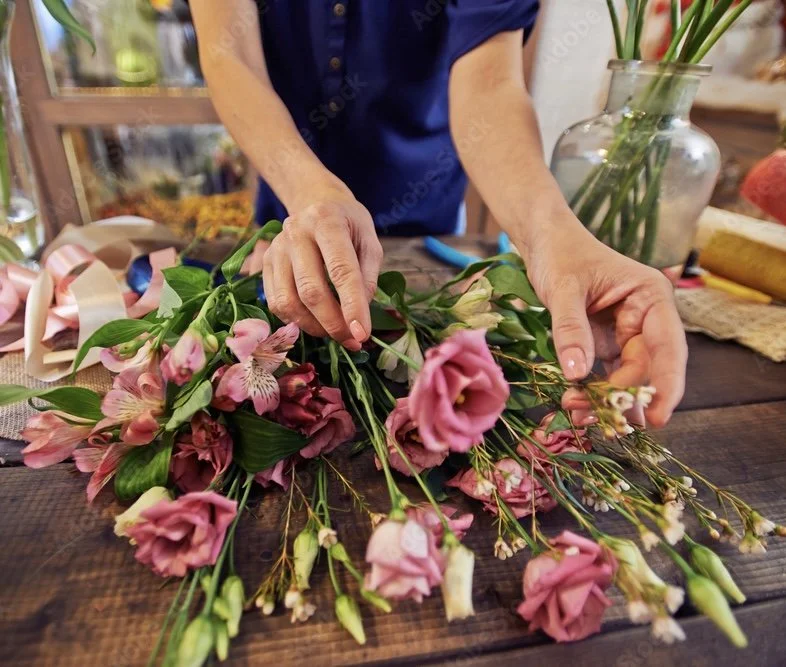
Let’s have a heart-to-heart: Your wedding is a celebration of a living, breathing love story—so why are you trying to frame it in factory-molded polyester? As a farmer-florist, I spend my days coaxing life out of the dirt. I see the way a ranunculus petal catches the morning light and how a single garden rose can perfume my floral workshop before it’s even fully open. Frankly, those "Real-Touch" silk stems you're thinking about for your wedding have about as much romantic soul as a shower curtain. If you want a wedding that feels grounded in nature and truly inspired by romance, you can't start with a lifeless petroleum product.
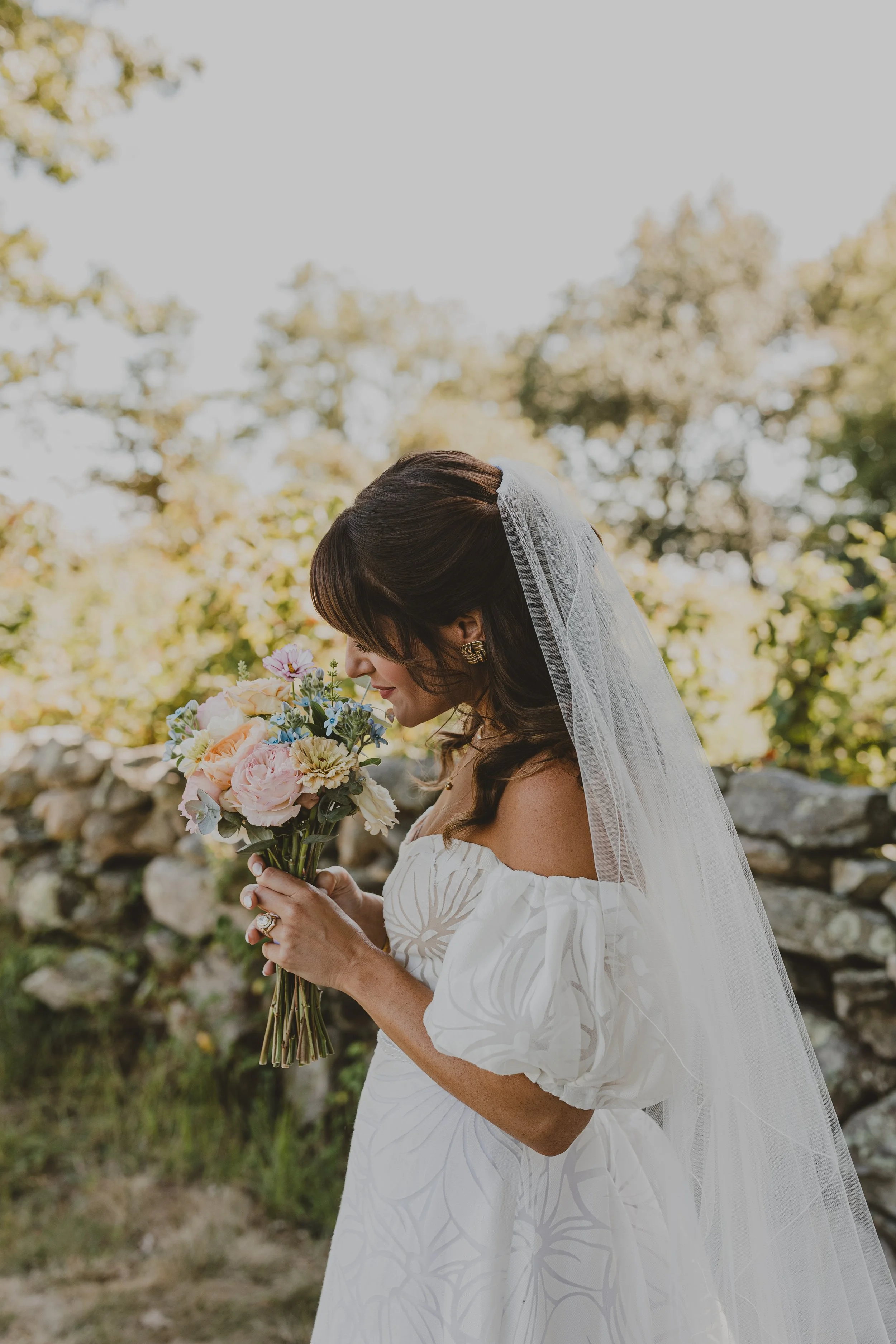
Do You Really Want to Start Your Life with Something "Dead"?
Your wedding is the ultimate celebration of growth, vitality, and a new beginning. It is a living, breathing once-in-a-lifetime moment. There is a profound biological difference between a bloom that grew from a seed in the soil and a piece of molded plastic from a factory. Do you really want "lifeless" and "plastic" to be the floral theme for the start of your life together?
The Missing Sensory Soul
Flowers aren't just a visual prop; they are a full sensory experience. When you walk down the aisle, you should be greeted by the soft, intoxicating scent of sweet peas or the earthy perfume of damp moss.
The Touch: Faux flowers feel like... well, fabric and wire. There is no velvety softness, no delicate fragility. Do you want plastic prana on your wedding day?
The Vibe: There is a specific “mojo” to fresh flowers. They have energy and a presence. High-end fakes might look okay from ten feet away, but they have zero soul.
The Environmental Disaster
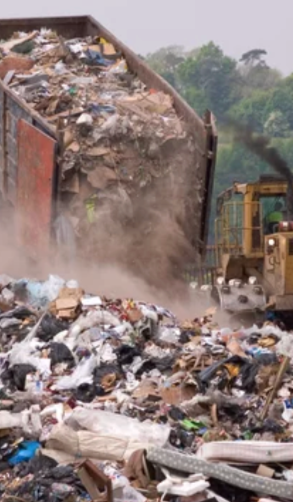
Let’s call it what it is: faux flowers are an environmental disaster. Most are made from polyester, PVC, and various plastics derived from fossil fuels. They are treated with chemical dyes and glues that never break down. While people think they are "saving" flowers, they are actually contributing to a legacy of landfill waste. Real flowers return to the earth; plastic flowers sit in a dump for centuries. Starting your marriage by creating more plastic waste? That’s some seriously "yucky" environmental energy.
Every once in a while, I hear the argument that real flowers die, and I want to keep my bouquet forever. I won’t get into why you would even want to keep gross plastic flowers. However, did you know you can preserve your fresh floral bridal bouquet and have them forever, too!
Fake Flowers Photograph Poorly (Even the "Good" Ones)
This is the one that surprises people. Because faux flowers are made of synthetic materials, they don't handle light the way nature does.
No Depth: Real petals have a natural color gradient—a slight flush of peach deep in the center that fades to cream. Faux flowers often have a "flat" color that looks "off" under a professional lens.
The Glare: Synthetic fibers can reflect camera flashes in a way that creates weird highlights or a "halo" effect, making them look obviously fake in your high-resolution wedding gallery
Price Tag Myth
Here is the industry secret: high-end, realistic faux flowers are not cheap. By the time you pay for "Real Touch" stems that don't look like a craft store clearance bin, you are often spending just as much as you would on a local, seasonal designer. You’re paying a premium for a product that has no scent, no life, and bad Juju.
A Professional Proviso: When I Do Use Faux
Now, I’ll let you in on a little secret. While I am a purist at heart, I do occasionally use high-quality faux stems in very specific, "out of reach" scenarios. I’m talking about ceiling installations or high-up mantles. If it’s 15 feet in the air and impossible to water, a little faux greenery or a few fake Hydrangeas provide the structural bulk needed for drama without dripping on the wedding cake. But for anything within arm's reach—your bouquet, the centerpieces, the ceremony arch—it has to be real, breathing, and full of life. Also, my faux flowers will see numerous weddings over the coming years, not a landfill.